
What Are Corneal Ulcers?
Corneal ulcers are open sores that form on the clear front part of your eye, called the cornea. This condition can cause pain, redness, and vision problems. In the United States, corneal ulcers are a common reason for emergency eye visits. Because the cornea protects your eye, any damage can lead to serious problems. Early treatment for corneal ulcers is important to prevent lasting vision loss.
Symptoms of Corneal Ulcers
Corneal ulcer symptoms can appear quickly. If you notice any of these signs, you should seek help right away. Early care can protect your vision. Common symptoms include:
Sometimes, symptoms may be mild at first. However, they can get worse quickly if not treated.
Causes and Risk Factors
Corneal ulcers often result from infections. However, other factors can also increase your risk. Understanding these causes can help you prevent problems. Main causes and risk factors include:
For example, people who wear contact lenses have a higher risk. But anyone can develop corneal ulcers if the eye is injured or infected.
Diagnosis of Corneal Ulcers
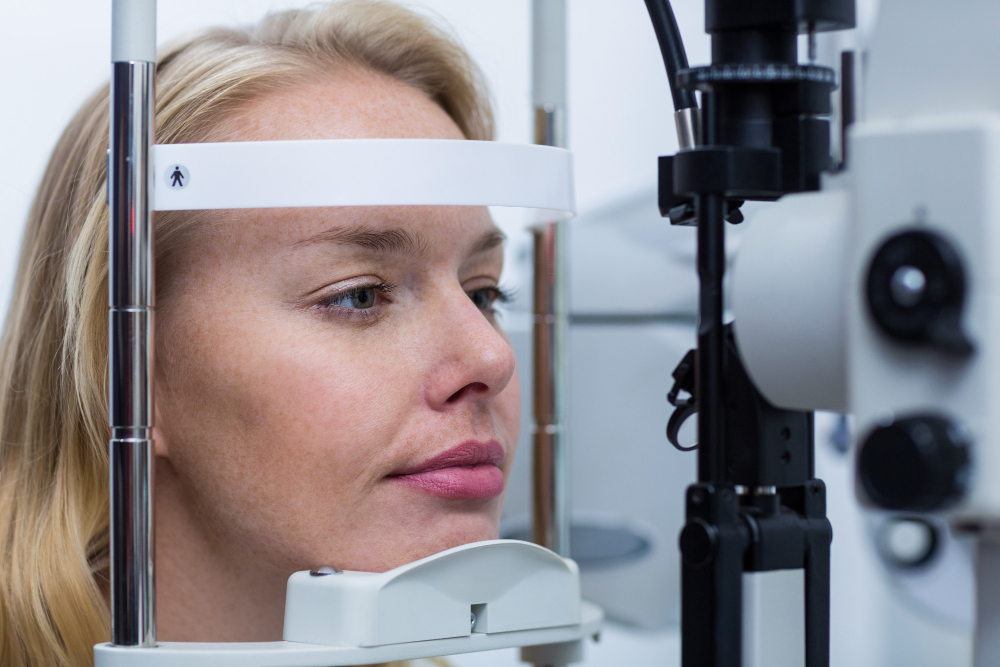
Doctors use several steps to diagnose corneal ulcers. First, they ask about your symptoms and medical history. Next, they examine your eye with a special microscope called a slit lamp. This tool helps them see the ulcer clearly. Sometimes, doctors use a dye to highlight the sore. In some cases, they may take a small sample from the ulcer to find the cause. Quick diagnosis helps guide the right treatment for corneal ulcers.
Treatment Options
Treatment for corneal ulcers depends on the cause. However, early care is always important. Your doctor may recommend:
In rare cases, if the ulcer is severe, surgery may be needed. For example, a corneal transplant can restore vision if the damage is deep. According to the CDC, most people recover well with prompt treatment.
Prevention Tips
Preventing corneal ulcers is possible with good eye care. Here are some simple tips to lower your risk:
By following these steps, you can help prevent corneal ulcers and protect your vision.
When to See an Eye Specialist
If you notice symptoms of a corneal ulcer, do not wait. Early treatment can prevent serious problems. You should see an eye specialist if you have:
Remember, quick care can save your sight. If you are unsure, it is always better to get checked.
If you notice symptoms of a corneal ulcer, consult an eye specialist promptly for personalized care.