What Are Retinal Diseases?
The retina is a thin layer at the back of your eye. It helps you see by sending signals to your brain. Retinal diseases harm this layer and can cause vision loss. Because early detection of retinal diseases is key, knowing the basics helps protect your sight. Common retinal diseases include diabetic retinopathy, macular degeneration, and retinal detachment. Each of these can affect your vision in different ways. However, many retinal diseases can be managed if found early.
Common Symptoms and Warning Signs
Retinal disease symptoms can be mild at first. Yet, some signs should never be ignored. Early detection of these symptoms can help prevent vision loss. Watch for these warning signs:
If you notice any of these, see an eye doctor right away. Sometimes, symptoms may come and go. Still, do not wait to get checked.
Major Causes and Risk Factors
Many things can increase your risk of retinal diseases. Knowing these causes helps you take action early. Some common risk factors include:
Because some risk factors cannot be changed, regular eye exams are important. However, healthy habits can lower your risk.
How to Detect Retinal Diseases Early
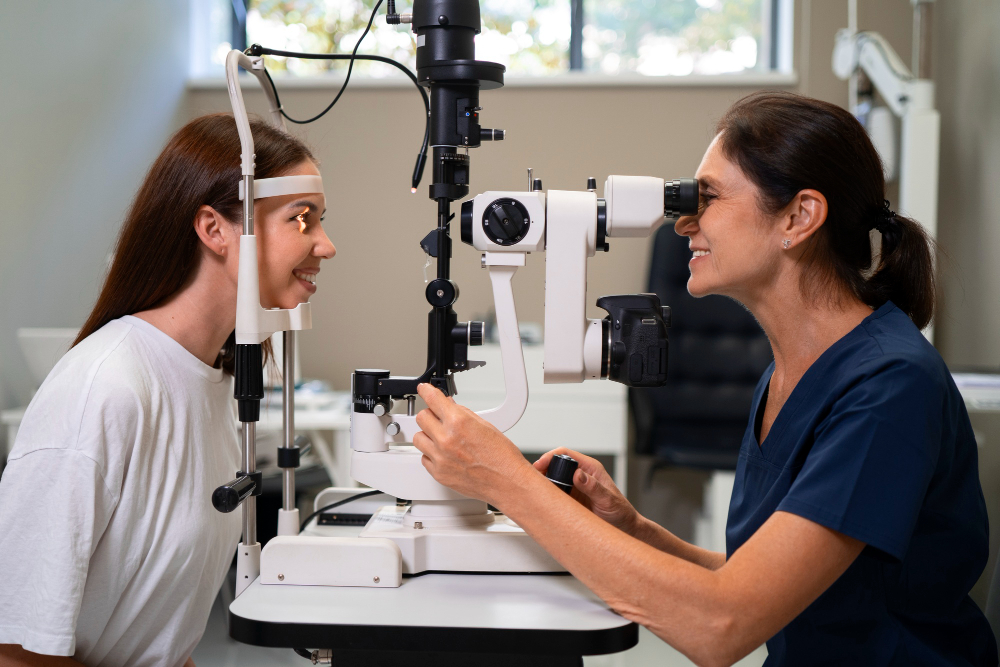
Early detection of retinal diseases is the best way to prevent vision loss. Regular eye exams help find problems before they get worse. Here are some ways to detect retinal diseases early:
For people with diabetes or high risk, yearly screenings are vital. Even if you have no symptoms, regular checks can save your sight.
Prevention Strategies and Lifestyle Tips
Although not all retinal diseases can be prevented, you can lower your risk. Simple eye health tips make a big difference. For example, you can:
Because healthy habits support your eyes, start these changes today. In addition, always follow your doctor’s advice.
Treatment Options if Detected Early
When retinal diseases are found early, treatment works better. Your doctor may suggest:
Early treatment can slow or stop vision loss. Therefore, do not delay seeking help if you notice changes in your vision.
When to See an Eye Specialist
It is important to see an eye specialist if you:
Even if you feel fine, regular eye exams are key. Early detection of retinal diseases can prevent vision loss and keep your eyes healthy.
In summary, protecting your vision starts with awareness. Consult an eye specialist promptly for personalized advice and regular screenings to protect your vision.